
As the global pet food industry continues to move towards premiumization, fresh meat, functional products, and grain-free formulas, pet food manufacturers are placing increasingly higher demands on production equipment. Today, choosing a suitable pet food extruder is no longer just a matter of equipment procurement; it directly impacts product quality, production efficiency, operating costs, and the company's future market competitiveness.
As a core piece of equipment in a pet food production line, the extruder for pet food directly affects the puffing effect, nutrient retention, palatability, product consistency, and overall production stability. Inappropriate equipment selection often leads to problems such as insufficient capacity, poor formula adaptability, high maintenance costs, and excessive energy consumption.
Therefore, for companies planning to build or upgrade pet food production lines, a systematic understanding of pet food extrusion technology and key equipment selection considerations is crucial.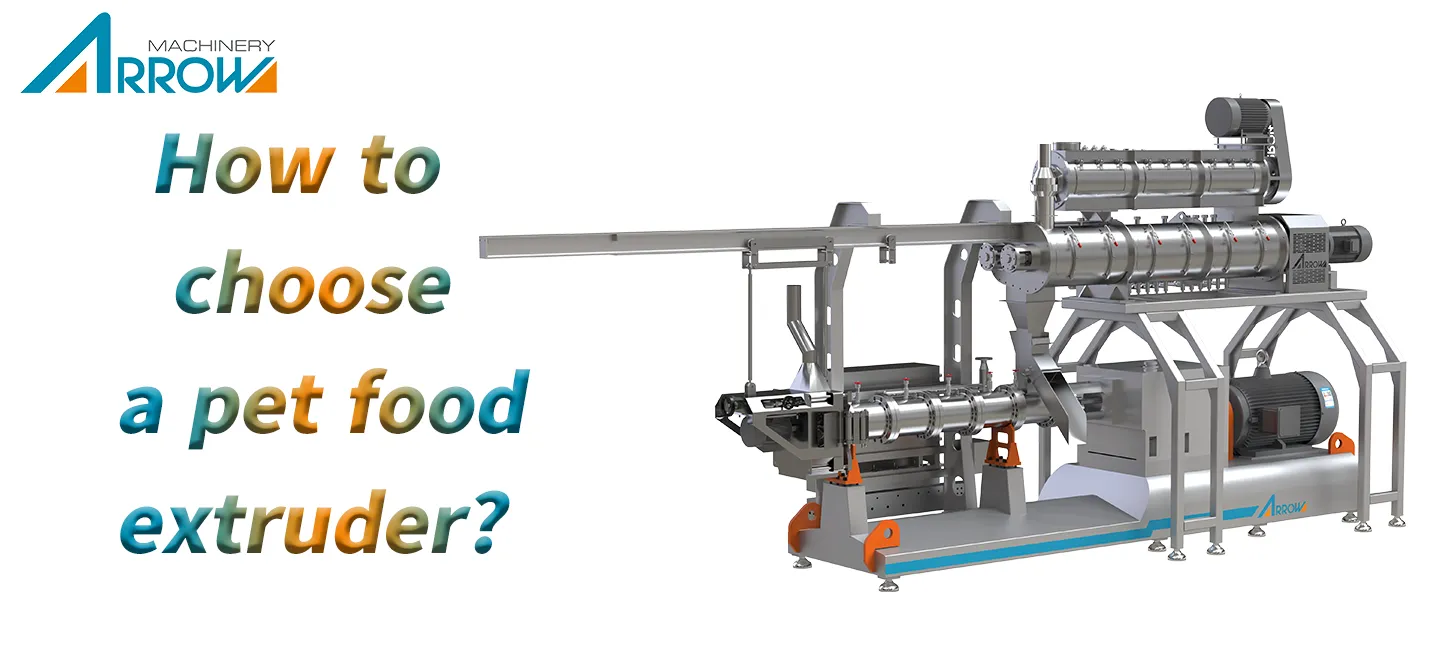 1. What is a Pet Food Extruder?
A pet food extruder is a core piece of equipment that uses a high-temperature, high-pressure, and high-shear continuous process to process raw materials into extruded pet food.
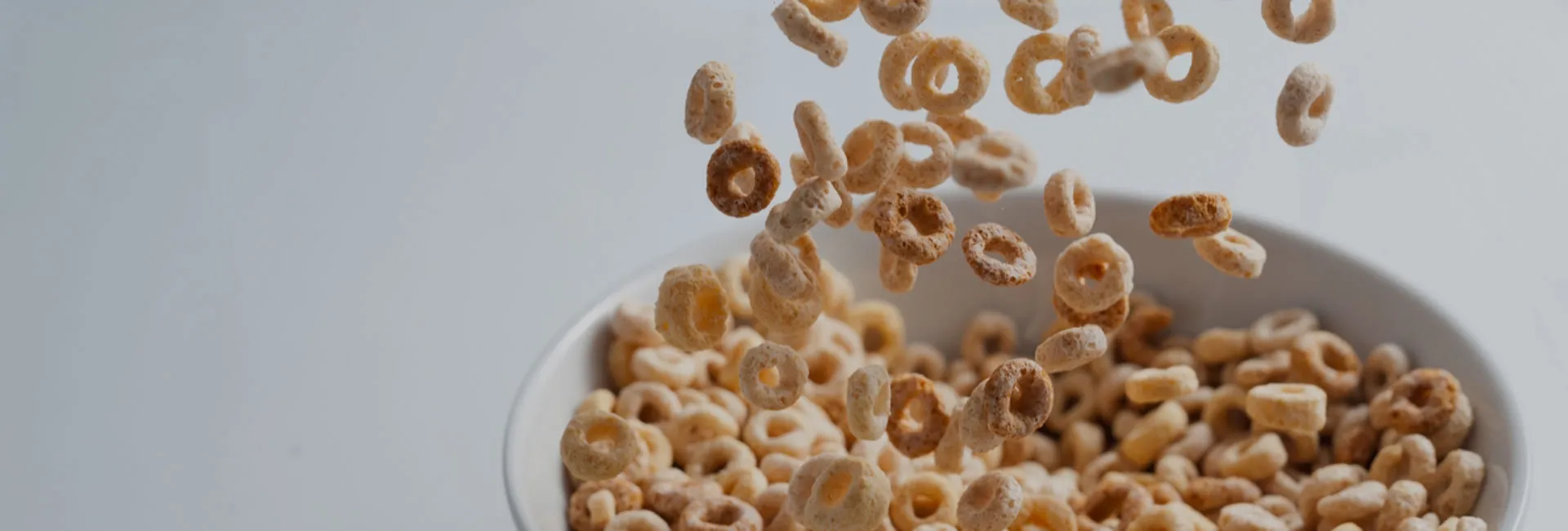
In the production process, raw materials such as grains, meat meal, fresh meat, starch, vitamins, and functional additives are mixed, tempered, extruded, expanded, and molded to ultimately produce pet food pellets of different shapes and sizes.
High-quality extrusion processes can effectively improve: starch gelatinization, nutrient absorption rate, product uniformity, food safety, and product palatability.
High-performance pet food extruders can achieve a starch gelatinization rate of over 95%, significantly improving pets' ability to digest and absorb nutrients.
2. How to choose between single-screw and twin-screw pet food extruders?
In pet food production, the choice between single-screw and twin-screw extruders is a crucial factor affecting product positioning and production capacity.
(1)Single-screw pet food extruders
Single-screw extruders have a relatively simple structure and lower equipment investment, making them suitable for conventional pet food production.
①Main advantages: Low initial investment cost, simple operation and maintenance, low installation difficulty, and stable operation.
②Applicable scope: Ordinary dog and cat food, low-fat formula products, products with a low proportion of fresh meat, and small to medium-sized pet food factories. For companies primarily producing traditional pelleted pet food with relatively fixed product formulas, a single-screw system is an economical and practical choice.
(2) twin-screw extruder
Twin-screw extruders employ a twin-screw meshing structure, providing stronger mixing, shearing, and stable processing capabilities.
With the rapid growth of the high-end pet food market, twin-screw extrusion systems have become the mainstream equipment in modern pet food production lines.
①Main advantages: Stronger formula adaptability, supports high fresh meat addition, higher mixing uniformity, more suitable for high-protein and high-fat formulas, higher degree of automation, stable product quality, and reduced risk of cross-contamination.
②Applicable scope: Grain-free pet food, high-protein pet food, high-end dog and cat food, pet snacks, large-scale industrial production.
Advanced twin-screw systems can directly process formulas with 20%–40% fresh meat addition; some high-end equipment even supports higher proportions of fresh meat.
For companies hoping to enter the high-end pet food market, expand their product lines, or increase production capacity, twin-screw extruders for pet typically offer a greater long-term competitive advantage.
3.What factors should be considered when selecting a pet food extruder?
(1) Production Capacity
Equipment capacity should simultaneously meet current production needs and future expansion plans.
Common capacity ranges include 100-11000 kg/h.
It is recommended that companies reserve 20%–30% capacity space to meet future market growth demands.
(2) Formula Adaptability
As the pet food market becomes increasingly segmented, production lines need stronger formula compatibility.
High-quality extrusion systems should support: grain-free formulas, high-protein formulas, functional pet foods, and high-fat formulas. Greater formula flexibility helps companies respond quickly to market changes.
(3) Automated Control System
Modern pet food production lines increasingly emphasize automation and intelligence.
High-quality pet food extrusion equipment typically features: a PLC touchscreen control system, automatic temperature control, automatic moisture adjustment, screw speed adjustment, formula storage function, and an automatic feeding system.
High automation not only improves product stability but also reduces labor costs and operational errors.
(4) Hygiene and Food Safety Standards
Food safety is a crucial core aspect of pet food production.
The equipment should preferably use: 304/316 food-grade stainless steel, hygienic welded structure, quick-release design, and easy-to-clean structure.
Simultaneously, the equipment should comply with: CE certification, ISO9001 quality management system, HACCP food safety standard, and EHEDG hygienic design standard.
These designs can effectively reduce the risk of contamination and improve the hygiene level of production.
(5) Energy Consumption and Long-Term Operating Costs
Many companies only focus on the price of equipment when purchasing it, but ignore the long-term operating costs.
In fact, the total cost of ownership (TCO) of the equipment deserves more attention, including: electricity consumption costs, spare parts replacement costs, maintenance costs, downtime losses, labor costs, and after-sales service response speed.
High-efficiency and energy-saving pet food extruders can significantly reduce long-term production costs.
4. Why is choosing the right pet food extruder so important?
(1) Improved Product Quality
Stable extrusion effect and particle consistency help improve product palatability and brand reputation.
(2) Increased Production Efficiency
Highly automated systems can reduce manual intervention and improve production continuity and stability.
(3) Enhance Product Innovation Capabilities
Flexible extrusion systems can help companies quickly develop new products and high-end pet foods.
(4) Enhance Market Competitiveness
Advanced extrusion technology can help companies better meet consumers' demands for high-quality, healthy pet foods.
5. Final Recommendations
The most suitable pet food extruder is not necessarily the cheapest equipment, but rather a production system that truly matches the company's product positioning, formula requirements, capacity planning, and long-term development goals.
For pet food manufacturers, choosing an experienced equipment supplier with comprehensive project service capabilities is equally crucial.
As a professional pet food production equipment manufacturer, Shandong Arrow Machinery Co., Ltd. focuses on the research and development and manufacturing of pet food processing equipment, and can provide customers with:
(1) Twin-screw pet food extruder
(2) Pet treat production line
(3) Wet food pet food production line
(4) Fish feed and aquatic feed equipment
(5) Turnkey pet food plant projects
With rich industry experience, Shandong Arrow can provide customers with formula testing, equipment customization, installation and commissioning, technical training, and long-term after-sales support, helping pet food companies achieve stable, efficient, and sustainable development. Ultimately, a high-quality pet food extruder is more than just a production device; it's a crucial foundation for product innovation, quality upgrades, and enhanced market competitiveness.
FAQ
1. Can one extruder produce both dog food and fish food simultaneously?
- Yes. Twin-screw extruders equipped with a quick-change die system can produce dog food, cat food, floating fish food, and sinking aquatic food by changing the die and adjusting screw speed, moisture content, and barrel temperature profiles.
2. What certifications should a pet food extruder have?
- Extruders should be CE marked, ISO 9001 quality management system certified, and constructed from 304 or 316 food-grade stainless steel. HACCP-compliant design and in-situ cleaning (CIP) functionality are also essential for food safety audits.
Technical Support: Yandex






 +86-531-83146566
 info@arrowextrusion.com