
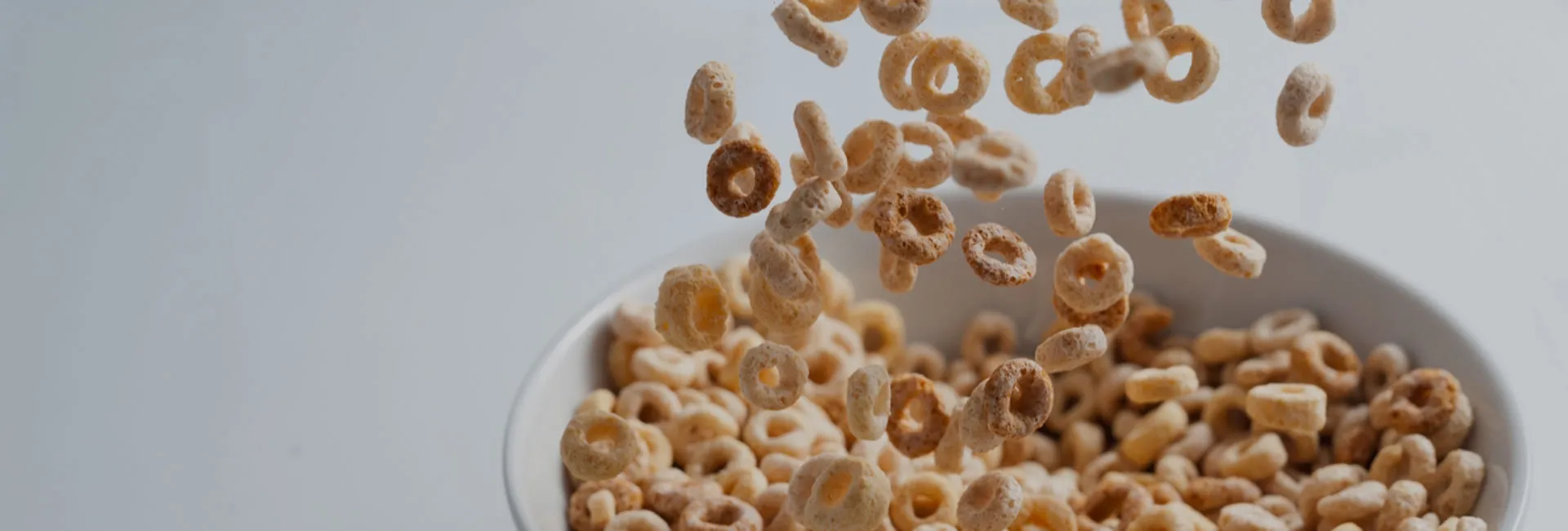
With the rapid growth of the global pet food and aquaculture feed industry, feed manufacturers are increasingly demanding more flexible, efficient, and reliable processing technologies. Among the advanced processing solutions available today, twin screw extruders have become a preferred choice for producing high-quality specialty feeds.
Compared with traditional single screw extruders, twin screw extrusion technology offers significant advantages in terms of raw material adaptability, product consistency, and production efficiency. As a result, twin screw extruders are widely used in the manufacturing of pet food, fish feed, shrimp feed, and other specialty feeds.
Although single screw extruders are still widely used in traditional feed processing, they present several limitations when producing modern specialty feeds.(1)Limited Conveying Mechanism
Single screw extruders mainly rely on drag flow to move materials forward. The raw material must adhere to the inner barrel wall to be transported effectively. If the material sticks to the screw instead of the barrel wall, conveying efficiency decreases significantly.
(2)Limited Raw Material Adaptability
Single screw extruders have difficulty processing certain formulations, especially:low-viscosity materials、high-oil formulations、high-moisture ingredients,these limitations can lead to unstable production and inconsistent product quality.
(3)High Sensitivity to Pressure
Single screw extrusion systems are sensitive to pressur changes. High pressure may cause material backflow, which reduces throughput and affects process stability.
(4)Challenges in Large-Scale Production
As the size of the extruder increases, several issues become more prominent:reduced heat transfer efficiency、difficulty controlling pressure and throughput、increased processing instability.
(5)Limited Mixing Performance
Due to structural constraints, single screw extruders cannot achieve efficient mixing of complex formulations, which limits their application in high-quality feed production.
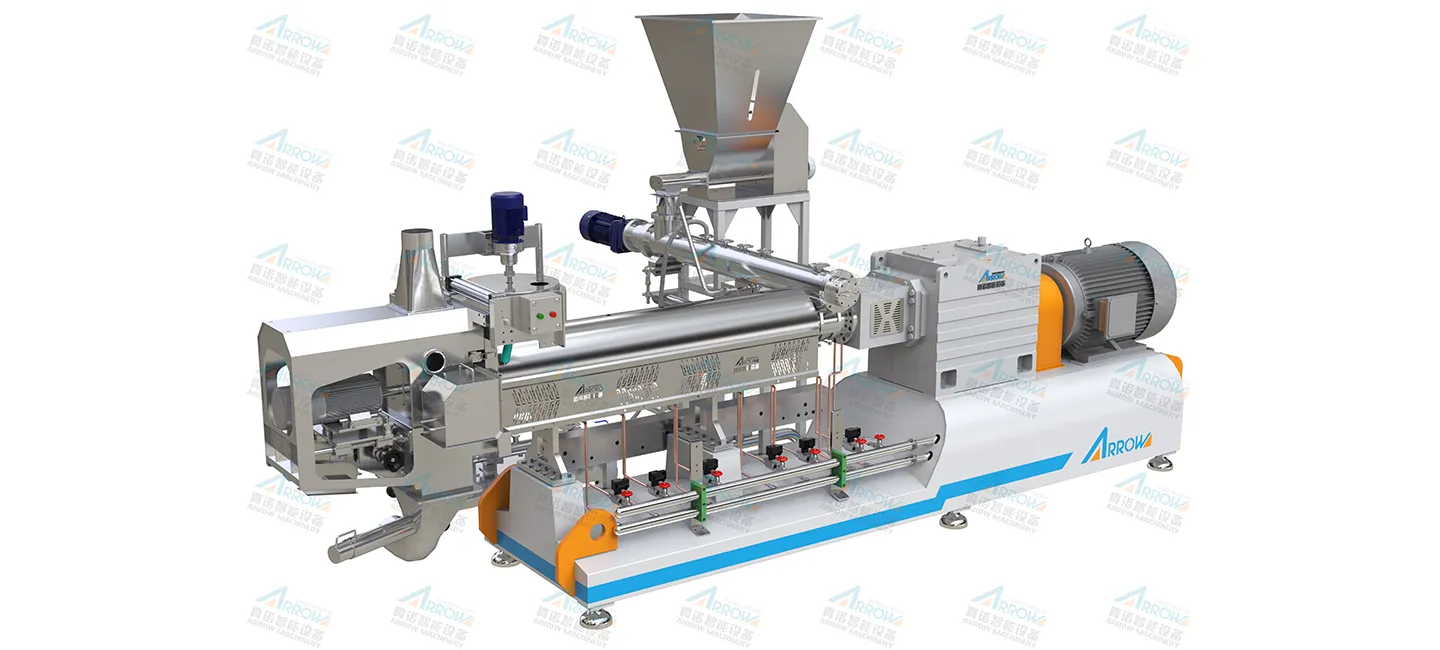
In contrast, twin screw extruders provide superior performance and flexibility, making them ideal for modern feed manufacturing.
(1)Stronger Conveying Performance
Twin screw extruders feature intermeshing screw structures, which act as positive displacement pumps. This design ensures stable material transport regardless of material properties.
(2)Wide Raw Material Adaptability
Twin screw systems can process a wide range of raw materials, including:high-viscosity materials、low-viscosity ingredients、high-fat formulations、high-moisture materials,this flexibility allows feed manufacturers to develop more innovative formulations.
(3)Superior Mixing and Cooking Efficiency
The intermeshing screws provide strong kneading, shearing, and mixing effects, enabling raw materials to reach a gelatinization and cooking degree of over 95%, significantly improving feed digestibility and nutritional value.
(4)Excellent Heat Transfer
The screw design constantly changes the direction of material flow, enhancing heat transfer efficiency and ensuring stable processing conditions.
(5)Self-Cleaning Function
Twin screw extruders have a self-wiping structure, allowing materials to be discharged automatically after production, which reduces downtime and simplifies maintenance.
(6)Improved Product Quality
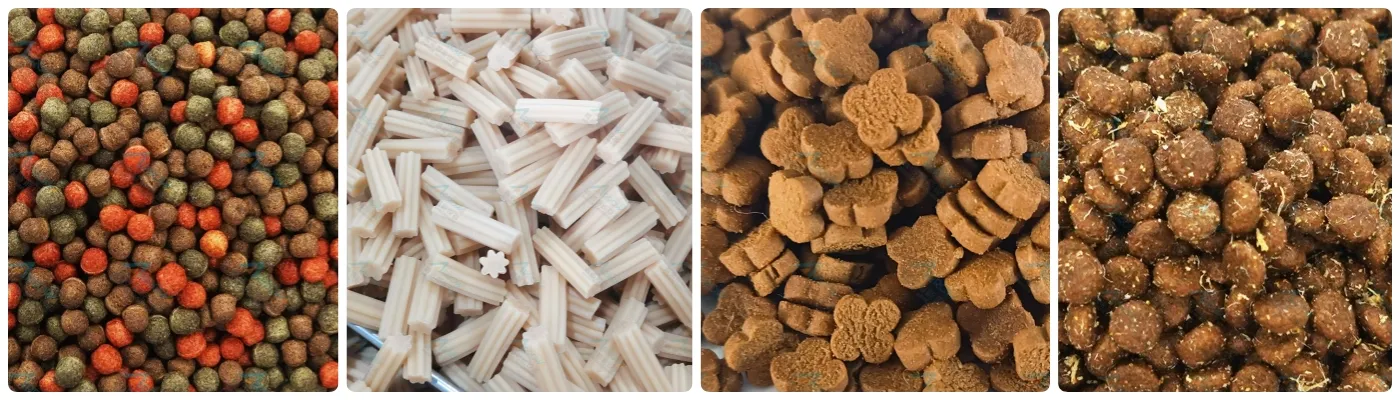
Products produced by twin screw extrusion typically have:smooth and uniform pellet surfaces、consistent particle size、improved structural stability.For aquafeed production, pellets can maintain water stability for more than 24 hours, which is essential for aquatic feeding efficiency.
One of the biggest advantages of twin screw extrusion technology is its ability to process complex and diverse formulations.
Raw materials that can be processed include:cereals and grain flour、soybean meal and plant protein、animal protein meals、fresh meat、fats and oils、vitamins and nutritional additives、wet fish by-products.
Therefore, twin screw extruders are widely used in:pet food production、fish feed production、shrimp feed production、eel feed、ornamental fish feed.
In pet food production, formulas typically contain a high proportion of fresh meat and animal protein. When the amount of fresh meat added reaches 20%–30%, the production process requires strong mixing and kneading, which is precisely where twin screw extruders excel.
Compared with single screw extruders, twin screw systems allow:
(1)Higher fat inclusion levels (over 12%).
(2)Greater formulation flexibility.
(3)More stable product quality.
(4)Reduced mechanical wear.
(5)Lower overall production costs.
Single screw extruders, however, often experience process instability when fat levels are too high, which may cause machine vibration, product inconsistency, or even operational failure.
Additionally, twin screw extruders allow rapid formula switching, with raw material changes typically completed within 30 seconds, improving production flexibility.
From an economic perspective, feed manufacturers usually evaluate equipment based on cost per ton of product.
Twin screw extruders offer higher efficiency and production capacity, especially when combined with steam injection technology.
Typical production capacities include:
| Screw Diameter | Production capacity |
| 75mm | 100-1500kg/h |
| 90mm | 2000-3000kg/h |
| 110mm | 3000 kg/h and above |
As a result, twin screw extruders not only produce more consistent and diverse feed products, but also generate greater economic returns for feed manufacturers.
1. Can you provide all the parameters of the machine?
-Yes, we will provide all parameters, prices, layout diagrams, factory designs, etc.
2. What are your payment terms?
-30% prepayment via wire transfer (T/T), the remaining 70% due after inspection and before shipment.
3. What is the warranty period for the equipment?
-Due to its modular design, the auger and cylinder have a service life of up to one year. Only worn parts need to be replaced; unlike replacing the entire auger assembly, which requires replacing the entire set of components.
Technical Support: Yandex






 +86-531-83146566
 info@arrowextrusion.com