
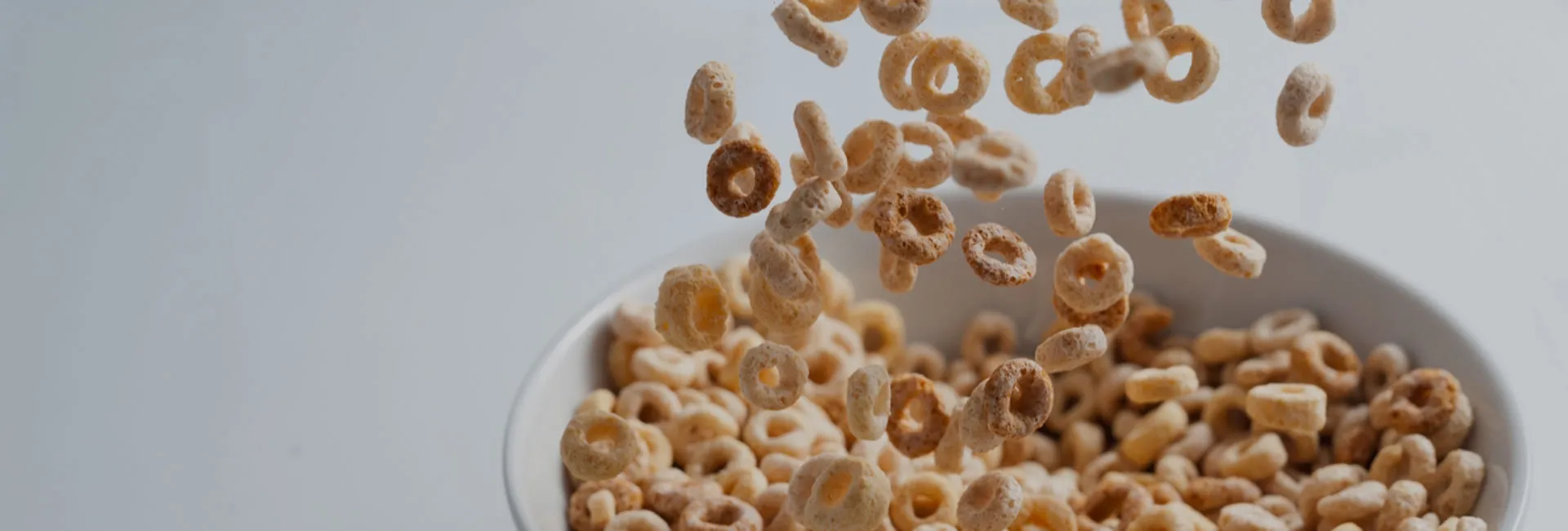
As the global aquaculture industry continues to transform towards intensive and high-efficiency farming, fish feed production technology is also developing rapidly. Modern fish feed production line equipment is no longer a simple processing system, but an intelligent manufacturing solution integrating automation, extrusion technology, and precise nutrient control.
For feed producers, choosing a floating fish feed extruder machine with advanced processing capabilities is key to improving product quality, reducing costs, and achieving stable large-scale production.
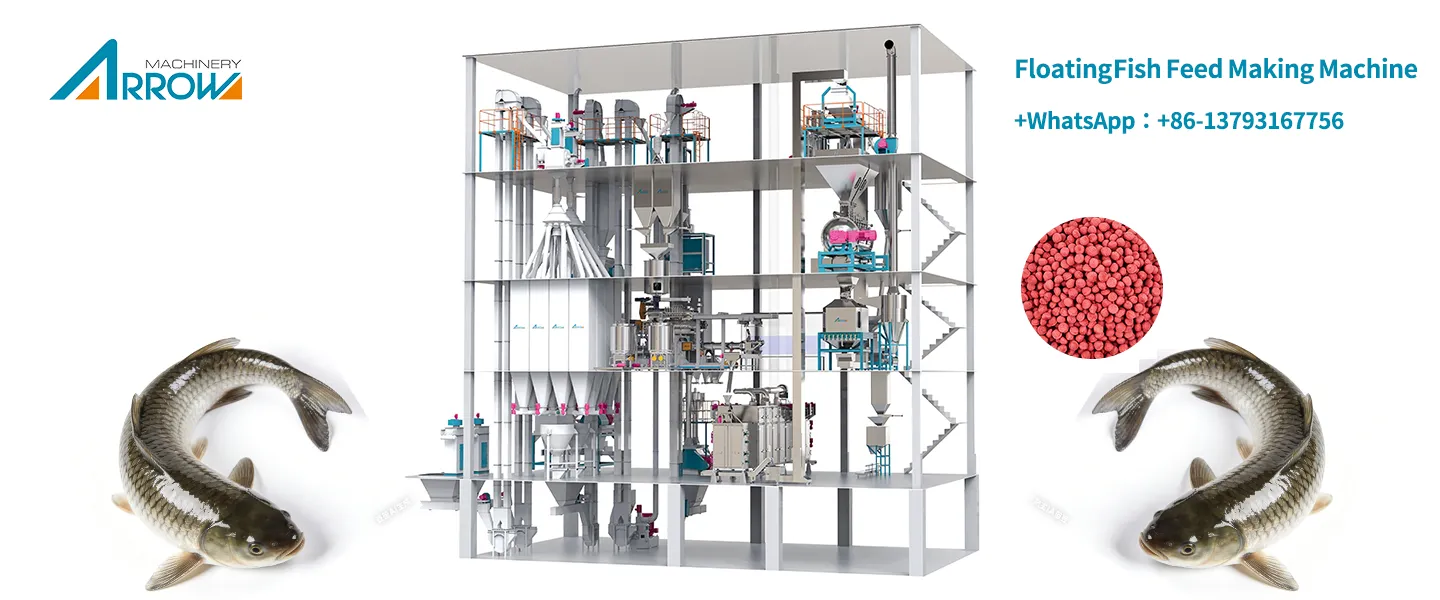
A complete fish feed production machinery system typically includes the following aspects:
(1) Crushing and Batching System—High-precision batching scales combined with ultrafine grinders ensure that the feed pellet size for different aquatic species (such as tilapia, shrimp, and juvenile fish) reaches the optimal state.
(2) Mixing and Conditioning Technology—Before extrusion, the raw materials need to be mixed with steam and water to improve their hydration and nutrient retention. This step is crucial for producing high-quality floating and sinking fish feed pellets.
(3) Extrusion and Extrusion Core Component—The fish feed extruder is the core of the entire production line. Under high temperature, high pressure, and shear force, the material undergoes the following process: starch gelatinization → protein denaturation → sterilization. This process forms uniform, porous particles suitable for floating or sinking feeds.
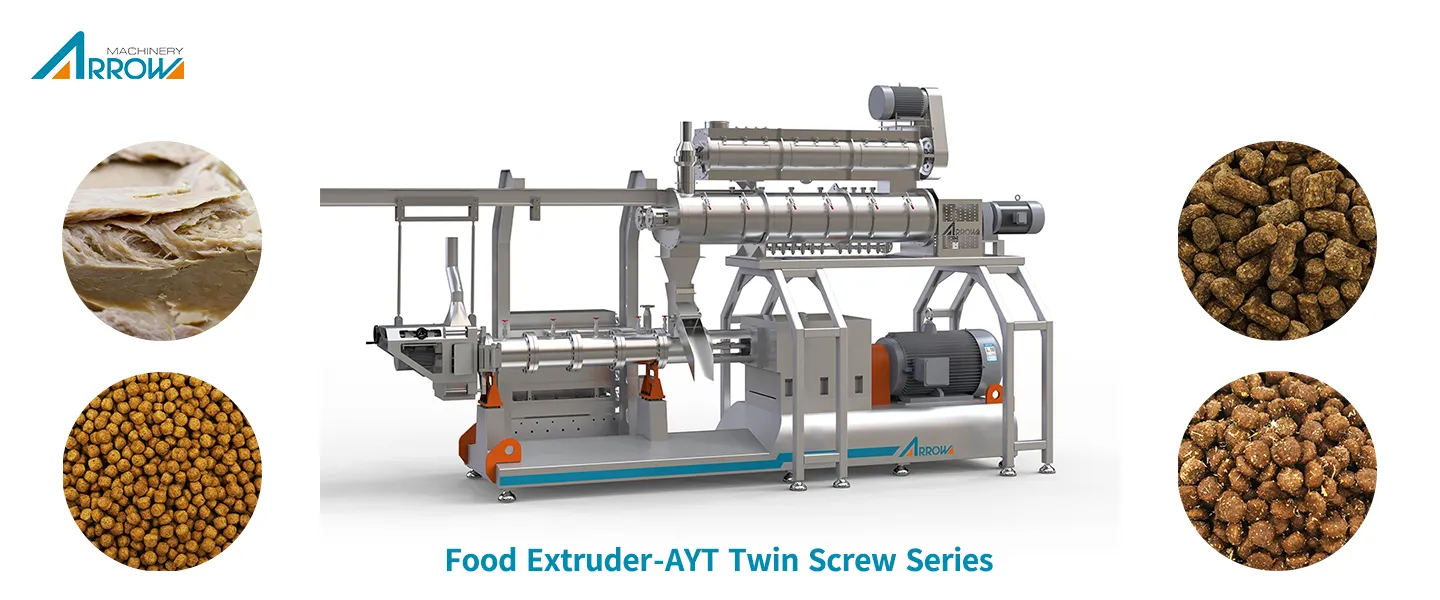
Shandong Arrow independently develops and manufactures the AYT series twin-screw extruder, applied to the industrial production of pet food, aquatic feed, plant protein, and nutritional powder. The equipment can be configured with single/double/triple shaft conditioners as needed to improve material maturation; it adopts a large length-to-diameter ratio extrusion structure to ensure that the product is fully matured and easily digestible. Its multi-purpose design allows for flexible adaptation to the research and development and mass production of multiple product categories.
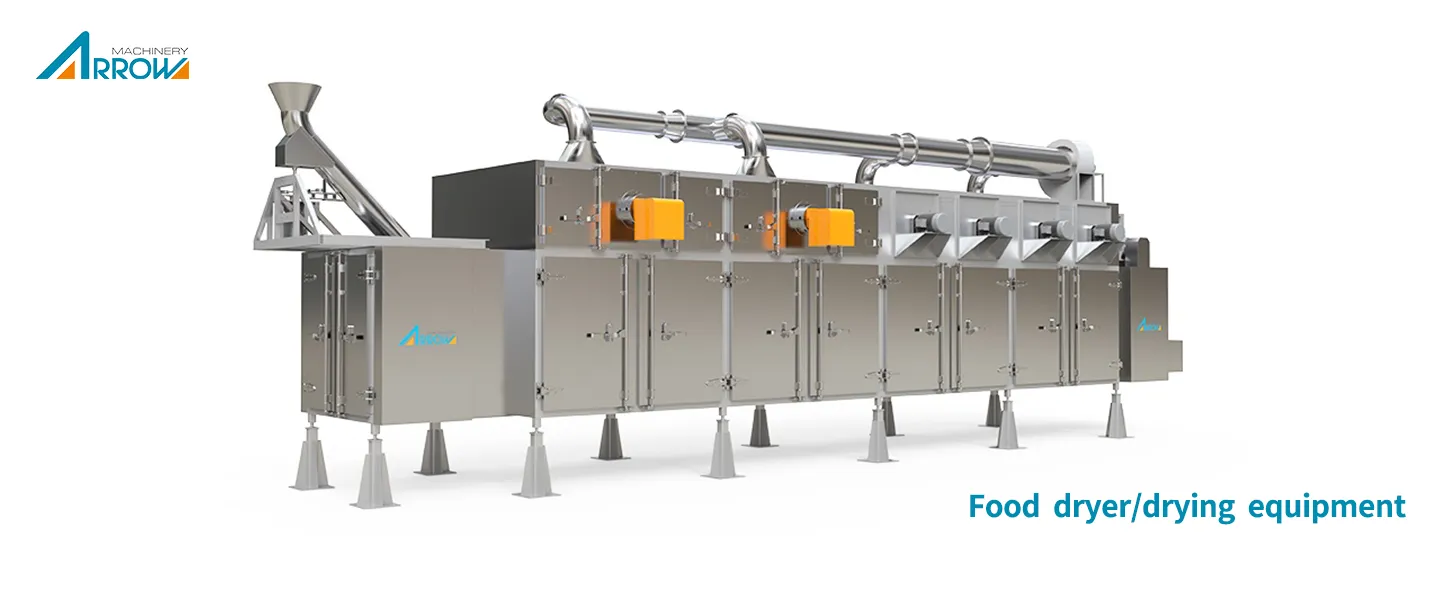
(4) Drying and Spraying System—After drying, the moisture content of the particles is reduced to below 10% to ensure safe storage. Vacuum spraying equipment ensures deep penetration of oils and nutrients, significantly improving feed quality.
(5) Cooling and Packaging System—Finally, the particles are automatically packaged after cooling to room temperature, completing the fish feed processing production line.
(6) Why are twin-screw fish feed extruders more popular?
Compared to traditional equipment, modern floating fish feed extruders have the following advantages:
① Stronger adaptability to various raw materials, including plant proteins
② Stable performance with minimal material backflow
③ Higher efficiency and energy saving
④ Better pellet structure and higher digestibility
These advantages make twin-screw systems an ideal choice for producing high-quality aquatic feed.
Modern fish feed extruders have the following design features:
(1) Flexible production capacity, ranging from 100 kg/hour to 5 tons/hour
(2) Modular design, suitable for various feed formulations
(3) Intelligent human-machine interface control system, easy to operate
(4) Continuous automated production, suitable for large-scale production
(5) This ensures stable output and reduces labor costs.
A high-quality fish feed production equipment can produce: floating fish feed pellets, sinking fish feed pellets, shrimp and crab feed, and high-protein aquatic feed, widely used in commercial aquaculture farms and feed mills worldwide.
When selecting a fish feed extruder, consider:
(1) Capacity requirements (100kg/h to 5T/h)
(2) Screw configuration and L/D ratio
(3) Energy consumption and efficiency
(4) Compatibility with different raw materials
A well-designed system ensures long-term return on investment and production flexibility.
With the rapid development of aquaculture, investing in a high-performance fish feed production line is crucial for maintaining competitiveness. Advanced extrusion technology, automated processing, and flexible configuration enable producers to efficiently and profitably produce high-quality feed.
If you plan to build or upgrade your fish feed production line, early technical discussions can save you months of trial and error.
Shandong Arrow has extensive experience in providing snack food production lines to the Middle East, Southeast Asia, Europe, and Africa. We can provide you with the following support:
(1) Practical production line configuration based on actual production needs
(2) Process flow and factory layout design
(3) Equipment supply, commissioning and training
(4) Long-term technical support
Please contact us:
Email: info@arrowextrusion.com
WhatsApp: +86-13793167756
1. What is the difference between floating fish feed and sinking fish feed?
- Floating feed floats on the water surface, making it easy to observe and feed; while sinking feed is suitable for bottom-dwelling fish.
2. Why is extrusion so important in fish feed processing?
- Extrusion can improve feed digestibility, sterilize feed, and form a stable pellet structure.
3. When purchasing an extruder, besides price, which parameter should you pay the most attention to?
- Adjustability of the length-to-diameter ratio (L/D). The length-to-diameter ratio determines the residence time and shear strength of the material in the barrel. Excellent equipment allows for adjustment of the L/D ratio by changing the screw sleeves of different lengths to adapt to different formulas (such as low shear for juvenile fish feed and high shear for adult fish feed). This "modular design" is the key to maintaining and increasing the value of the equipment.
Technical Support: Yandex






 +86-531-83146566
 info@arrowextrusion.com